Dressing for Your Body Shape: Complete Guide
Understanding how to dress for your body shape is a foundational aspect of personal style. The concept is not about conforming to rigid standards, but rather about recognizing your natural proportions and using clothing to highlight your favorite features while creating balance. This guide aims to provide a step-by-step approach to identify your body type and select garments that work harmoniously with your unique silhouette. By focusing on these principles, you can build a wardrobe that feels comfortable, expressive, and visually cohesive.
This comprehensive resource explores the main body shapes—rectangle, triangle (pear), inverted triangle, hourglass, and oval (apple). For each category, you will find practical guidance on which cuts, styles, and details tend to flatter that particular frame. It’s important to note that these categories are generalizations; most individuals possess a combination of characteristics. The tools provided here are intended to serve as a starting point for your own exploration and experimentation, not as strict rules.
Identifying Your Body Shape
The first step in dressing for your body shape is accurate identification. This process involves taking a few key measurements and observing the ratios between your shoulders, bust, waist, and hips. While it is possible to get a professional assessment, you can easily do this at home. Use a flexible measuring tape to measure your bust at its fullest point, your waist at its narrowest, and your hips at their widest. Also, note the width of your shoulders and the line of your collarbone.
Once you have these numbers, compare the relationships. For instance, rectangle shapes typically have similar bust, waist, and hip measurements with little waist definition. Triangle shapes have hips that are significantly wider than their shoulders. Inverted triangles have the opposite: shoulders and bust that are wider than the hips. Hourglass figures have a well-defined waist with bust and hips that are nearly equal in width. Oval shapes carry weight in the midsection with a fuller waist that is less defined than the hips or bust.
Placement in these categories is not about labeling yourself but about understanding your canvas. Many individuals will find that they align strongly with one shape, while others may see themselves as a mix. Remember that your body shape can change over time due to age, lifestyle, or other factors, so it is wise to reassess periodically. The goal is to develop an eye for what garments create an elongated, harmonious line for your individual silhouette.
Silhouettes and Strategies for Each Body Type
Dressing for the Rectangle Shape
For those with a rectangle or athletic body shape, where the waist is not the narrowest point, the objective is often to create curves and add subtle definition. Your figure tends to be balanced, and you can carry off androgynous styles effortlessly. To enhance a feminine line, consider clothing that adds volume to both the upper and lower body, such as peplum tops, tailored jackets, and A-line skirts. These cuts introduce a curve that your natural silhouette lacks.
Another approach is to emphasize the waist through strategic design elements. Wrap dresses, belts at the natural waist, and ruffled or tied details can all create the illusion of an hourglass. When selecting dresses, look for styles with princess seams or drawstring waists. Avoid shapeless or oversized pieces that can completely obscure your frame, unless that is an intentional style choice. Similarly, choose high-waisted trousers and skirts that define the waistline and elongate the legs, which adds balance.
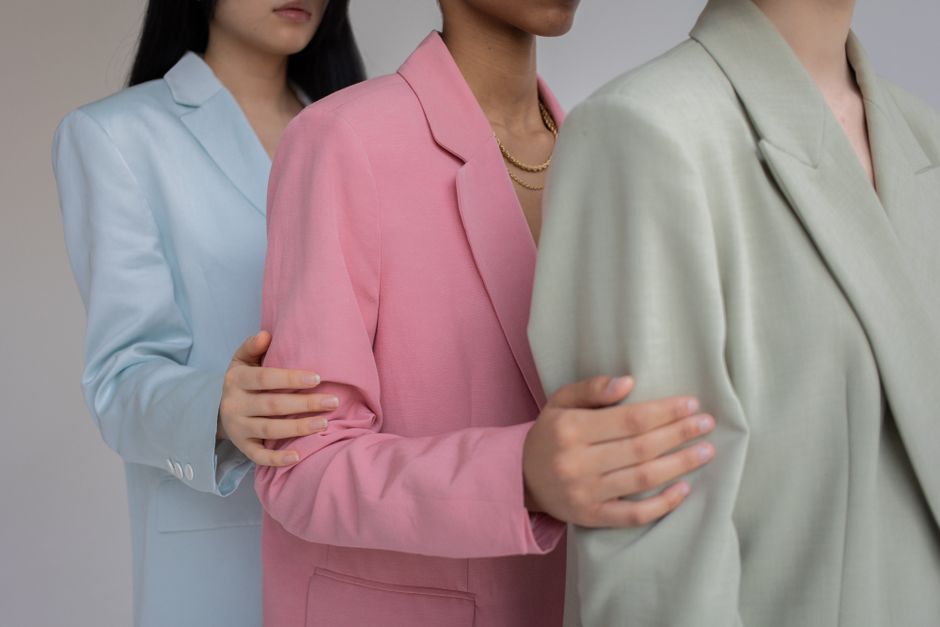
Layering can be an asset for the rectangle shape. A well-fitted blazer or cardigan that nips in at the waist will create structure and curve. Experiment with tops that have details like shoulder pads or embellishments to broaden the shoulders slightly, which in turn makes the waist appear smaller in contrast. The key is to create angles and lines that suggest a curvier form, all while maintaining comfort and confidence.
Styling the Triangle (Pear) Shape
The triangle, or pear, body shape is characterized by hips and thighs that are wider than the shoulders and bust. The waist is typically well-defined. The goal for this figure is to balance the lower body by emphasizing the upper body and drawing attention upward. Choose tops with patterns, bright colors, or structural details like shoulder pads, boat necks, or epaulets to create width on top. Tops with statements sleeves or necklines also perform this function.
For the lower half, darker colors and simple, clean lines help to minimize the hips and create a streamlined appearance. A-line skirts that flare from the waist are a classic choice, as they skim over the hips without clinging. Trousers with a slight flare or bootcut can balance the hips visually, while straight-leg jeans in a mid-rise often work well. Avoid heavily pocketed or embellished pants that draw attention to the hip area.
Structured jackets that end at the waist or just below also help to create a balanced line. When wearing dresses, options like A-line or fit-and-flare styles are ideal. They highlight your small waist and then float over the lower body. Also, consider the power of vertical seams on trousers and skirts, as they elongate the leg and create a longer, leaner line. With careful styling, the triangle shape can be either a classic feminine silhouette.
Flattering the Inverted Triangle Shape
Individuals with the inverted triangle body shape have broad shoulders and a wider bust relative to their hips. The waist is often less defined, and the hips are narrower. The objective is to soften the shoulder area while adding volume to the hips to create a more balanced proportion. Choose tops in darker colors without shoulder pads, and avoid boat necks or halter styles that can increase shoulder width.
V-necklines, scoop necklines, and wrap tops are effective for breaking up the width of the shoulders and drawing the eye downward. On the bottom, look for skirts and pants with pleats, ruffles, or bold patterns to add fullness. A-line skirts and wide-leg trousers are excellent choices, as they introduce volume below the waist. High-waisted skirts and pants also add curve to the hip area.
For one-piece garments, consider dresses with a full skirt, such as a fit-and-flare or a babydoll style. These bring interest to the lower half while allowing the top to flow softly. When it comes to jackets, those with a nipped-in waist and peplum detailing can help create an hourglass illusion. The general principle is to minimize the top and maximize the bottom to achieve harmony.
Embracing the Hourglass Shape
The hourglass figure is often considered the classic feminine shape, with a well-defined waist and bust and hip measurements that are similar. The goal for this figure is to highlight the waist and maintain the natural balance. Clothing that drapes closely to the body and follows its curves works exceptionally well. Wrap dresses, belted waists, and peplum tops are perennial favorites because they accentuate the narrower middle.
Avoid oversized or boxy clothing that hides your waistline and can make you appear larger. Instead, opt for tailored pieces that follow your body’s natural lines. For trousers, choose those with a mid to high rise that sit at the natural waist. Bootcut or flared styles can help balance the hips further, while skinny jeans also work because they show off your curves. Skirts that have a pencil silhouette or an A-line with a defined waist are ideal.
When selecting jackets, those that are tailored and have a seam at the waist will be most flattering. Avoid double-breasted blazers or those that are too long, as they can cut off your shape. The key is to ensure your clothing fits well in the waist; alterations are often necessary for off-the-rack items. With the right fit, the hourglass shape lends itself to a wide range of styles that emphasize natural proportions.
Special Considerations for the Oval (Apple) Shape
For those with an oval or apple body shape, weight is primarily carried in the midsection, with a less defined waist and often slimmer legs and bust. The aim is to create a vertical line and draw attention away from the middle. Choose tops with a V-neckline or an open collar to elongate the neck and draw the eye upward. Tops that are fitted at the shoulders and flow loosely over the torso, such as tunic tops, are particularly effective.
Avoid tight clothing that clings to the midsection. Instead, look for fabrics that drape well, such as jersey or silky blends. Empire waistlines, where the seam sits just under the bust, can create a long and Lean appearance while skimming over the middle. For bottoms, choose straight-leg or bootcut pants that balance the upper body. A mid-rise that sits below the natural waist can be more comfortable and avoids emphasizing the abdomen.
The outerwear should have a defined waistline in the back, like a belted coat, to create shape. Multi-layered looks can be useful, but they should not add bulk to the middle. Focus on monochromatic dressing to create an unbroken vertical line. Additionally, details like military-style jackets with epaulets can broaden the shoulders, thus making the waist appear smaller. With careful selection, the oval shape can be elegant and put together.
General Guidelines for Enhancing Your Unique Figure
Regardless of your specific body shape, there are universal principles that can help you choose clothing that enhances your figure. First, prioritize fit over size. Clothing that fits your shoulders and hips may require tailoring at the waist or elsewhere. Off-the-rack garments often do not cater to the variety of body proportions, so visiting a tailor can make an enormous difference in how a garment looks on you.
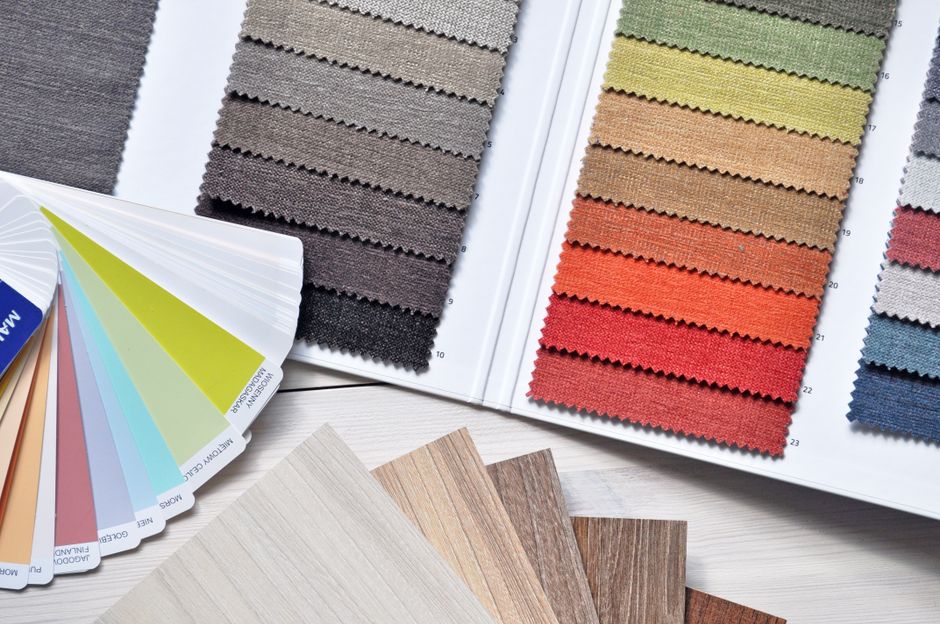
Second, understand the power of fabric. Stiff fabrics hold their shape, while fluid fabrics drape. Choosing the right weight and texture for your body type is key. For areas you want to minimize, opt for matte, darker, and vertical stripes or seams. For features you wish to highlight, use brighter colors, patterns, or textures that catch the eye. Strategic placement of details can be an effective tool for balance.
Third, become familiar with proportions. The goal is to create an aesthetically pleasing balance between the upper and lower body. This can be achieved through pairing opposite volumes: a looser top with a more fitted bottom, or vice versa. Visual balance also involves the placement of horizontal lines. Waistlines, hemlines, and necklines all contribute to where the eye travels. Being mindful of these elements helps you create a cohesive outfits that are both comfortable and expressive.
It is essential to remember that these guidelines are starting points, not absolute rules. Your personal style, comfort, and confidence are the ultimate determinants of what you choose to wear.
Finally, consider that body shape is dynamic. Aging, changes in fitness, and life events can alter your proportions. As your body changes, so should your wardrobe. A regular assessment of your wardrobe to ensure it aligns with your current shape and lifestyle can help you maintain a functional and enjoyable collection of clothing. The journey of dressing for your body shape is not about restriction, but about expansion—exciting you to explore new styles that you might not have tried before.