How to Combine Bold Patterns Without Clashing
Mixing bold patterns can transform a simple wardrobe into a statement of personal style. Yet many individuals hesitate to pair stripes with florals or plaids with polka dots, fearing a chaotic result. The key to successful pattern mixing lies in understanding a few fundamental principles that govern visual harmony. These guidelines are not strict rules but rather flexible frameworks that can be adapted to individual taste and occasion. By mastering these concepts, anyone can create outfits that feel both intentional and aesthetically pleasing.
This article explores practical strategies for combining stripes, florals, and plaids in a way that avoids visual discord. It focuses on the underlying logic of pattern mixing, emphasizing factors such as scale, color coordination, and the role of neutral elements. The advice presented here is process-oriented, encouraging experimentation and personal judgment rather than offering rigid prescriptions. Through thoughtful consideration of these elements, mixing bold patterns can become an enjoyable and creative part of everyday dressing.
Understanding Pattern Scale and Proportion
One of the most crucial factors in pattern mixing is the scale or size of the patterns involved. When two patterns are of similar scale, they compete for attention and can create a sense of visual confusion. For instance, pairing a small floral print with a medium-sized stripe might work harmoniously, whereas combining two large-scale patterns can overwhelm the eye. A general principle is to vary the scale of patterns to create a clear hierarchy. This allows one pattern to serve as the dominant element while others act as supporting accents. For example, a bold plaid jacket can be paired with a fine striped shirt, where the plaid takes the lead and the stripes provide subtle texture. This variation in scale creates a pleasing dynamic that prevents monotony without causing a clash.
To apply this concept, individuals can assess the patterns they intend to wear by stepping back and observing the visual weight of each. Another useful technique is to imagine the patterns in black and white; if the scales appear too similar, adjusting the size difference may be necessary. It is also helpful to consider the proportion of each pattern in the outfit. A larger area of a bold pattern, such as a plaid skirt, can be balanced by a smaller section of a more delicate pattern, like a floral scarf. This distribution of visual interest contributes to a cohesive look. By being mindful of scale and proportion, one can mix patterns with confidence, ensuring that each piece maintains its identity while contributing to the overall ensemble.
Color Coordination: The Unifying Element
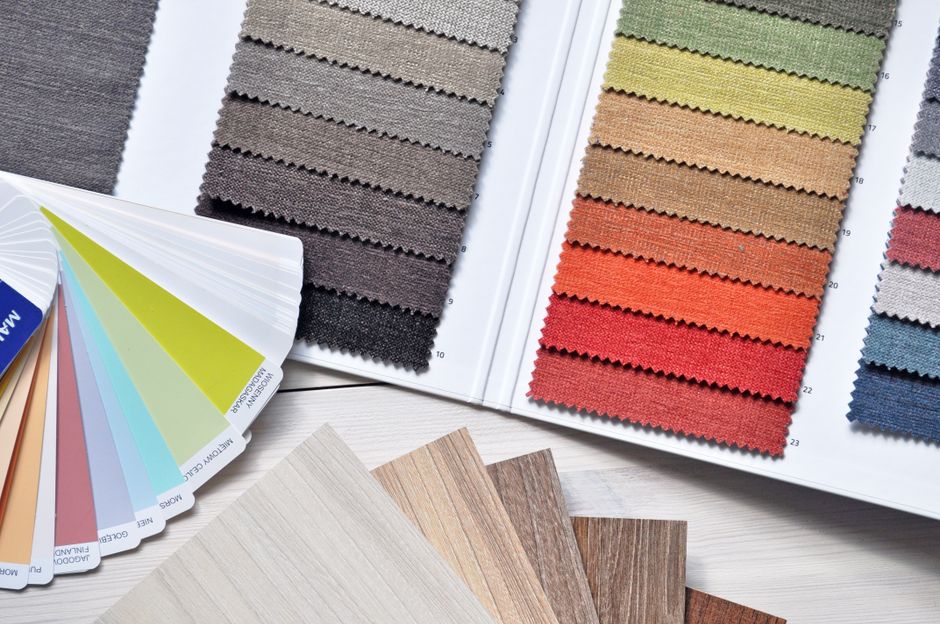
Color serves as the bridge that connects disparate patterns. When patterns share a common color palette, they are more likely to appear cohesive even if their designs differ significantly. One effective approach is to select patterns that have at least one color in common. For instance, a floral blouse featuring shades of rust and cream can be paired with a plaid skirt that includes rust tones. The repeated color ties the two patterns together, creating a unified outfit. Alternatively, using a monochromatic color scheme across different patterns can produce a sophisticated and understated effect. This method relies on varying shades and tints of a single color, allowing pattern structure rather than color to provide contrast.
Another color-based strategy is to use a neutral foundation to anchor bold patterns. Neutrals such as white, black, beige, or denim can act as a visual rest, preventing the overall look from becoming too busy. For example, a striped top in navy and white can be paired with a floral skirt that incorporates navy accents. The white stripe echoes the white background of the skirt, while the navy ties to the floral details. This interplay creates a balanced composition. It is also important to consider the intensity of colors. Bold, saturated colors tend to draw attention, while muted or pastel tones recede. Balancing vibrant patterns with quieter ones or with neutral pieces can help maintain visual calm. Through thoughtful color coordination, patterns can complement rather than clash.
Balancing Patterns with Solid Pieces
Incorporating solid-colored garments into a pattern-mixed outfit is a practical technique to ensure the overall look remains grounded. Solids provide visual rest and define the structure of the outfit. For instance, when wearing a boldly patterned blouse, pairing it with solid-colored trousers or a skirt can prevent the ensemble from becoming overwhelming. The solid piece allows the eye to rest and appreciates the patterns without fatigue. Additionally, solid pieces in neutral colors such as black, white, navy, or camel work well with almost any pattern, as they do not introduce competing visual information. Another approach is to use a solid piece as a base, such as a solid-colored dress, and add patterned accessories like a scarf or jacket. This allows for experimentation with patterns without committing to a full outfit of mixed prints.
The placement of solid items also affects the overall balance. For example, placing a solid jacket over a patterned top and skirt can break up the patterns and create a clear silhouette. Similarly, using a belt or a bag in a solid color can serve as a visual anchor. Accessories such as shoes and handbags in neutral tones are versatile tools for toning down an outfit with multiple patterns. However, it is important not to overdo the use of solids, as too many solid pieces can diminish the intended effect of pattern mixing. The goal is to achieve a harmonious ratio where patterns and solids support each other. By thoughtfully integrating solid elements, individuals can create outfits that are both bold and wearable.
Mixing Stripes with Floral and Plaid: Practical Combinations
Stripes are often considered a foundational pattern that can be paired with both florals and plaids when done thoughtfully. A classic combination is a striped top with a floral skirt. To avoid conflict, the stripes should be relatively simple, such as a Breton stripe, while the floral can be more detailed. The approach involves ensuring that the colors of the stripes are echoed in the floral pattern. For instance, a navy and white striped shirt can be paired with a floral skirt that features navy flowers on a white background. The shared colors create a coherent look. Another example is mixing a pinstripe blazer with a plaid shirt or trousers. In this case, the pinstripe is subtle and does not compete with the plaid. The key is to choose stripes that are not overwhelming and to maintain a clear difference in scale.
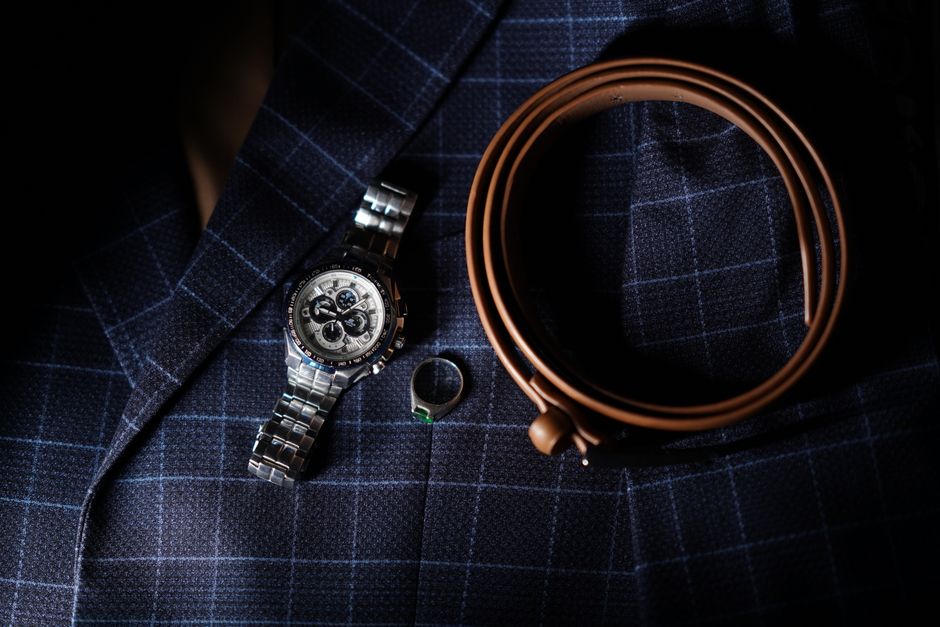
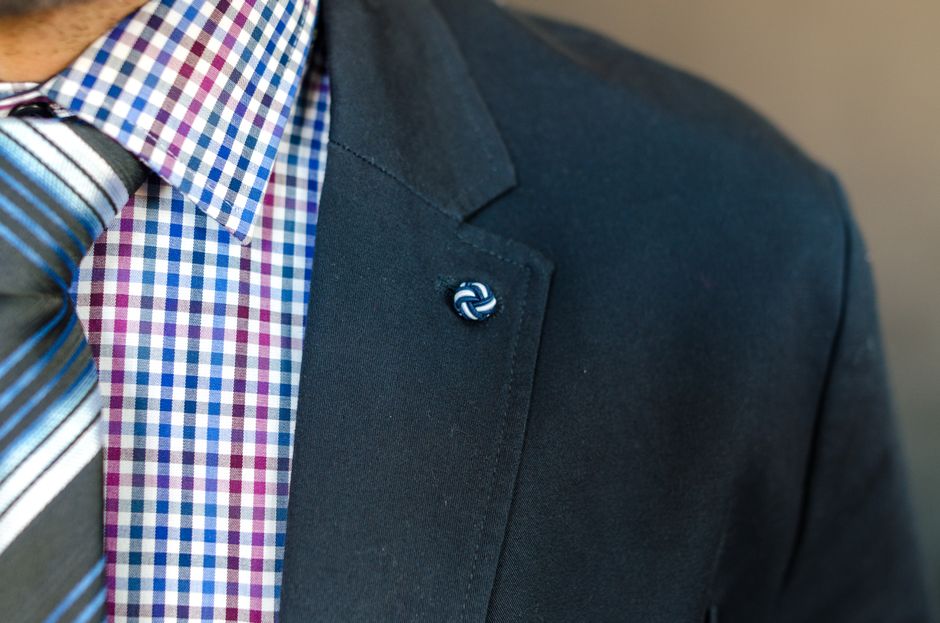
Plaids, with their structured grids, can also be mixed with stripes if approached with care. One effective method is to use a dominant plaid piece, such as a plaid blazer, and pair it with a striped shirt that has a similar color palette. The stripes can be of a different scale, perhaps finer, to complement the broader lines of the plaid. It is also advisable to limit the combination to two main patterns and then introduce a solid or neutral piece to balance the look. For instance, wearing a plaid blazer, a striped tee, and solid-colored jeans creates a sense of intentionality. Additionally, accessories like scarves or bags can incorporate a third pattern if they are small in size and share colors with the main patterns. By understanding the visual properties of stripes, florals, and plaids, individuals can mix these patterns in a way that is stylish and coordinated.
The Role of Accessories and Layers in Pattern Mixing
Accessories and layering provide an opportunity to introduce patterns gradually and test combinations without committing to a full outfit. A patterned scarf, handbag, or shoes can add a hint of another pattern while the core outfit remains relatively simple. For example, a solid-colored dress can be elevated with a floral-print scarf and a striped handbag. This approach allows for experimentation and can be easily adjusted. Layering also plays a significant role in pattern mixing. Adding a cardigan, jacket, or vest in a solid color can break up patterns on different parts of the body. Alternatively, layering a patterned garment over another can create depth if the patterns coordinate in scale and color. For instance, a sheer striped blouse worn over a camisole with a subtle plaid skirt might work if the patterns are not too similar.
When using accessories and layers, it is important to maintain the principles of color and scale. Accessories should share at least one color with the main pattern to ensure cohesion. It is also beneficial to keep the overall number of patterns in an outfit to two or three to avoid visual overload. Additionally, the placement of patterns can influence the perceived balance. Heavier patterns, such as large plaids, may be more flattering on the lower half of the body, while smaller prints like florals can be used near the face. Using accessories to create a focal point, such as a bold patterned necklace or a standout belt, can draw the eye and unify the outfit. By thoughtfully incorporating accessories and layers, pattern mixing becomes a versatile and creative process.
Conclusion
Combining bold patterns without clashing is a skill that can be developed through an understanding of scale, color, and balance. By varying the sizes of patterns, coordinating color palettes, and incorporating solid pieces, individuals can create outfits that are visually appealing and harmonious. Practical combinations with stripes, florals, and plaids become more straightforward when these principles are applied, and accessories and layers offer opportunities for subtle experimentation. The process of mixing patterns is inherently subjective, and personal preference plays a significant role in achieving a satisfying result.
As with any aspect of personal style, confidence comes with practice. Observing how patterns interact in different lighting and on different body types can provide valuable insights. There is no single formula for success, but rather a set of guidelines that can be adapted to individual needs. By approaching pattern mixing as a creative endeavor rather than a strict set of rules, individuals can develop a unique and expressive fashion sense. Ultimately, the goal is to wear patterns in a way that feels authentic and enjoyable, celebrating the diversity of design in a balanced manner.