Building a Minimalist Capsule Wardrobe on a Budget
Creating a capsule wardrobe is often presented as a path to a more streamlined, intentional closet. However, many guides assume a generous budget for high-quality staples. This article takes a different approach, focusing on how individuals can build a versatile capsule wardrobe while respecting financial constraints. The emphasis here is on process, thoughtful selection, and practical methods rather than on specific outcomes. By embracing a clear framework, it is possible to curate a set of garments that work together cohesively, even when operating within limited financial means.
The concept of a capsule wardrobe revolves around a limited selection of interchangeable items that can be mixed and matched to create a variety of outfits. The goal is not just to reduce clutter but to simplify daily decisions and ensure that every piece serves a purpose. For those on a budget, this approach requires careful planning and a focus on versatility. Rather than chasing trends or accumulating many inexpensive items, the process involves identifying core pieces that withstand the test of time and can adapt to different contexts. This foundational understanding guides the entire building process, from initial assessment to final organization.
Assessing What You Already Own
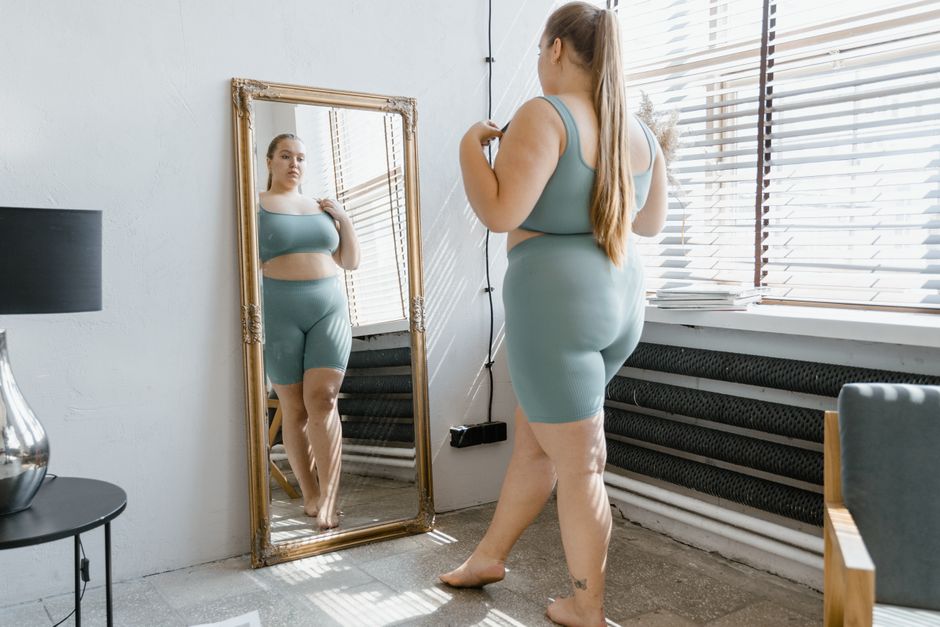
Before making any new purchases, a thorough evaluation of one’s existing wardrobe is essential. This step is not only practical but also economizing, as it reveals which items may already align with a capsule framework. Start by taking everything out of the closet and drawers, and categorize each piece by type, such as tops, bottoms, dresses, and outerwear. While this can seem overwhelming, the process allows for a clear visual overview of what is available. During this inventory, consider each item individually: Does it fit well? Is it in good condition? Does it reflect a style that feels authentic? Answers to these questions begin to shape the foundation of the capsule.
After sorting, identify pieces that are worn frequently and are known to be comfortable and reliable. These are likely to become the core of the future wardrobe. Items that are rarely worn or do not fit properly might be set aside for donation, resale, or storage, depending on their condition and potential future use. This evaluation is not about discarding everything at once but about creating a clearer picture of what is truly used. In many cases, a significant number of essentials are already present, and only a few key pieces need to be acquired to complete a functional capsule.
Defining a Personal Color Palette and Style
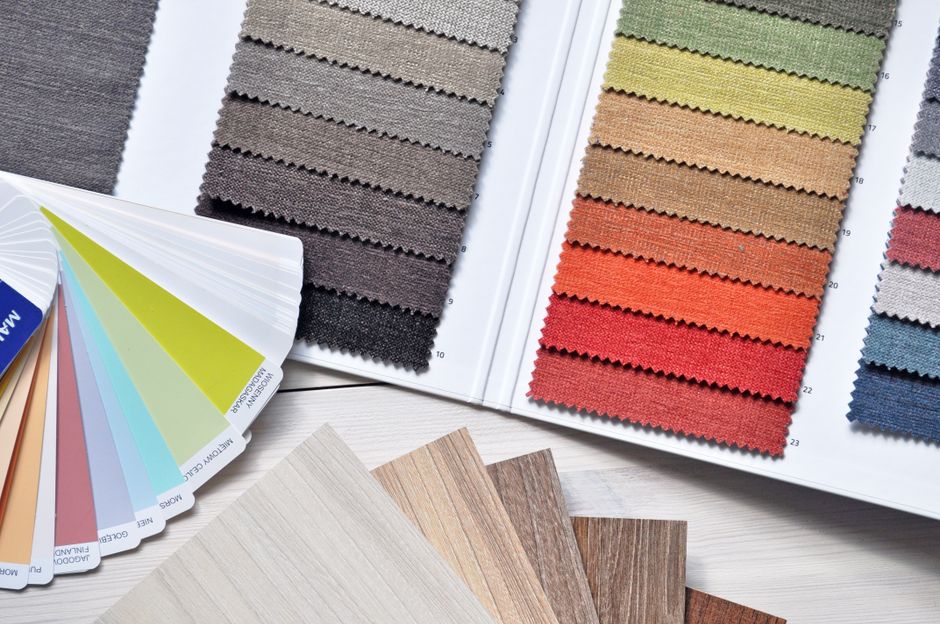
A successful capsule wardrobe relies on cohesion, and one of the most effective ways to achieve this is through a thoughtfully chosen color palette. Selecting a limited range of colors ensures that all pieces can be mixed with ease, increasing the number of possible outfits without expanding the wardrobe. When on a budget, opting for neutral tones—such as navy, gray, black, white, and beige—allows for maximum versatility, as these colors rarely clash and can be dressed up or down. However, personal preference and lifestyle should guide this choice. If bright colors are more appealing, they can be incorporated as accent shades, as long as they are kept consistent across items.
To define a palette, one can start by looking at existing items that are frequently worn and noting their colors. This offers a realistic starting point. Next, consider the primary occasions the wardrobe needs to address, whether professional, casual, or social. This context helps determine if a palette should lean toward more formal or relaxed tones. Finally, choose two to three core neutrals and one or two accent colors that will appear throughout the collection. Anchoring every new purchase to this palette simplifies decision-making and ensures that each piece integrates seamlessly with the others.
Identifying Budget-Conscious Essential Pieces
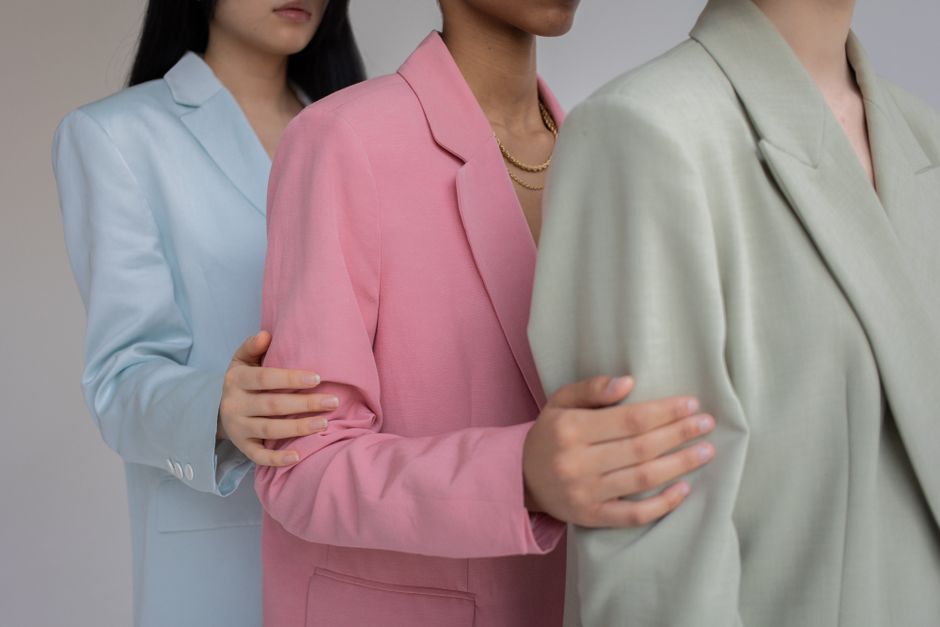
Once the current wardrobe is assessed and a palette defined, the next step is to map out what essential pieces are missing. A typical capsule may include a set of tops, bottoms, dresses, and a couple of layering pieces. For a budget-conscious build, the focus should be on classic silhouettes that are not tied to fleeting trends. Commonly recommended essentials includes a white button-down shirt, a pair of well-fitting jeans, a blazer, a little black dress, and neutral knitwear. Yet, the specific list must align with individual needs and local climate. Careful research and reflection prevent unnecessary purchases.
When selecting essential items, quality should be evaluated in relation to price. It is not about buying the most expensive garment but rather finding durable materials and construction that offer longevity within one’s budget. Natural fibers like cotton, linen, and wool are often more breathable and lasting; however, blends can also provide cost-effective alternatives. Fit is paramount; a well-fitting inexpensive item can appear more polished than a poor-fitting luxury piece. Taking time to try on items, checking seams and stitching, and reading care labels are all part of a thoughtful selection process.
Strategies for Shopping on a Limited Budget
Shopping with a limited budget requires a strategic mind-set. One effective approach is to allocate a specific amount of money each month toward wardrobe upgrades, treating it as a dedicated fund. This prevents impulsive spending and allows for deliberate purchases over time. Another tactic is to prioritize the most versatile pieces first, such as a neutral blazer or a quality pair of trousers, because they will generate a high number of outfit combinations. In contrast, trendy or occasion-specific items should be added only if they fit the palette and fill a genuine gap.
Numerous outlets exist for budget-friendly shopping, and each has its own advantages. Thrift stores and consignment shops often offer unique items at low prices, and they frequently have high-quality garments if one has the patience to search. Online resale platforms extend this option beyond local limitations. Clearance sales and off-season shopping can yield significant savings, especially when purchasing basics that do not change drastically from year to year. Additionally, considering the cost per wear—dividing the price by the likely number of uses—can justify investing in a slightly more costly item if it will be worn frequently.
Maximizing Outfit Combinations with Key Pieces
The true potential of a capsule wardrobe is realized through creative mixing and matching. With a limited number of items, the goal is to generate a wide variety of outfits that feel fresh and appropriate for different situations. A simple method is to establish a formula, such as combining one base item with one accent piece and one layering option. For example, a pair of dark jeans serves as a base, a striped cotton shirt adds interest, and a neutral cardigan completes the outfit. Repeating this logic with multiple combinations creates a surprising number of distinct looks from a small collection.
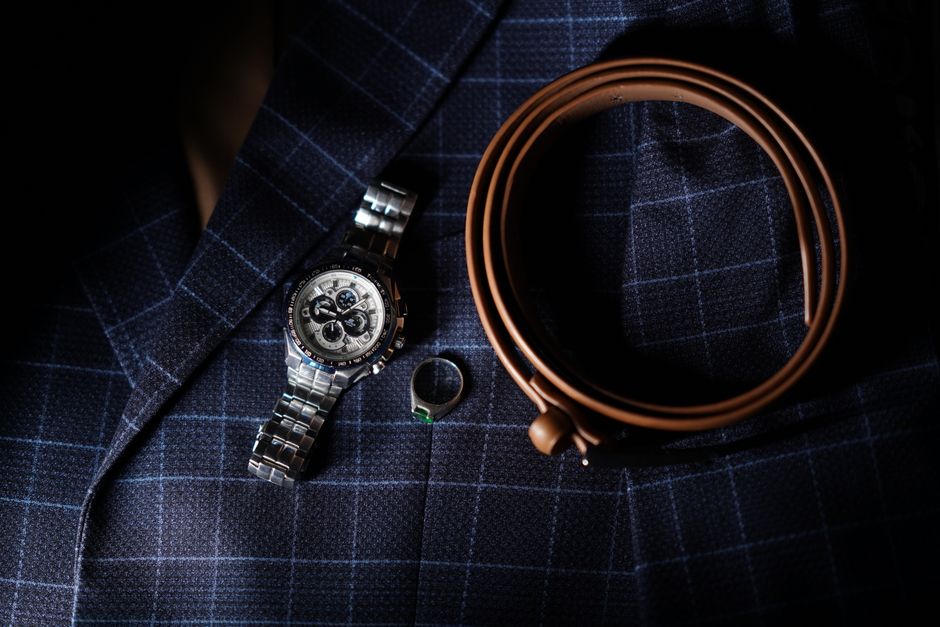
Accessories play a pivotal role in expanding options without requiring large investments. Scarves, belts, jewelry, and bags can transform a basic outfit into something more distinctive. These items are often lower in cost and allow for personalisation according to mood or occasion. In addition, considering seasonal adjustments can help. While a capsule for all seasons might include heavier layers, a thinner scarf and the ability to roll sleeves can ease warmer weather. The underlying principle is that creativity, not the number of garments, dictates the breadth of one’s wardrobe.
Maintaining and Adapting the Capsule Over Time
A capsule wardrobe is not a static creation but a living system that benefits from regular review and adjustment. As seasons change, work environments evolve, or personal style develops, some pieces may no longer serve their purpose. Setting aside time biannually to revisit the collection ensures that it remains aligned with current needs. During these reviews, items that have not been worn in the past few months should be reconsidered. This does not automatically mean disposal; sometimes a slight alteration or a new pairing can revive a piece.
Budget considerations also mean that the collection is gradually refined rather than overhauled. Each new purchase should be weighed against the existing palette and plan. In the process, it is natural to discover that certain styles or fabrics are more practical than others. This knowledge informs future decisions and prevents nonfunctional buys. The maintenance phase is as much about learning as it is about discarding. Ultimately, the aim is to keep the wardrobe concise, functional, and in tune with one’s actual life, all within fiscal boundaries.
A minimalist capsule wardrobe is not about deprivation but about making the most of limited resources through deliberate choices and creative use.
By following this structured approach, building a capsule wardrobe becomes a manageable and economical endeavor. It requires taking stock of existing assets, planning a cohesive color scheme, selecting versatile essentials, and shopping with intention. The process naturally integrates careful thought and can lead to a sense of clarity and reduced decision fatigue. Regular fine-tuning guarantees the wardrobe remains useful over time. While the specifics may vary widely among individuals, the underlying principles of thoughtful curation and budget mindfulness offer a robust framework for anyone seeking to develop a more minimalist approach to clothing.