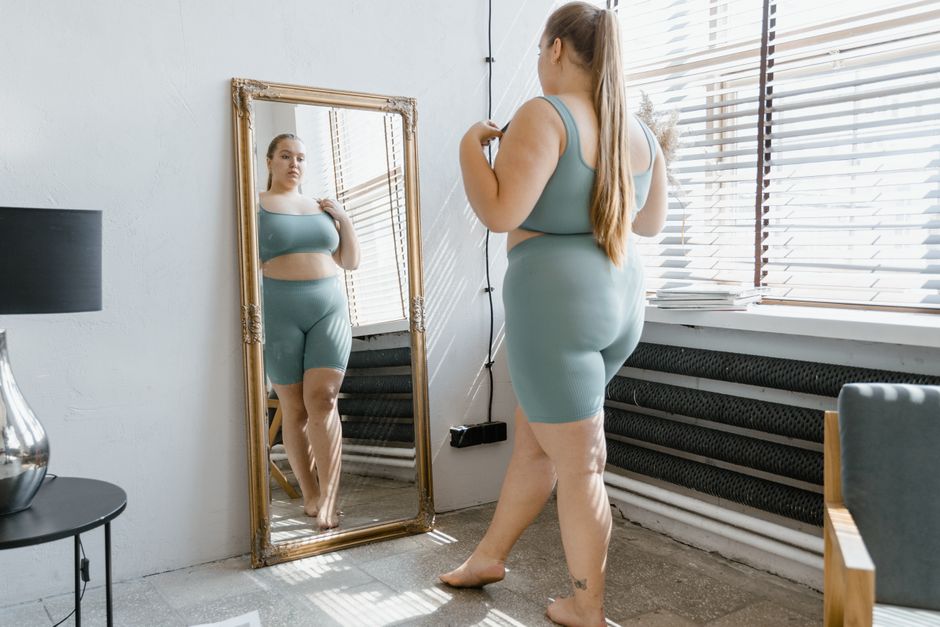
Essential Accessories That Elevate Any Outfit
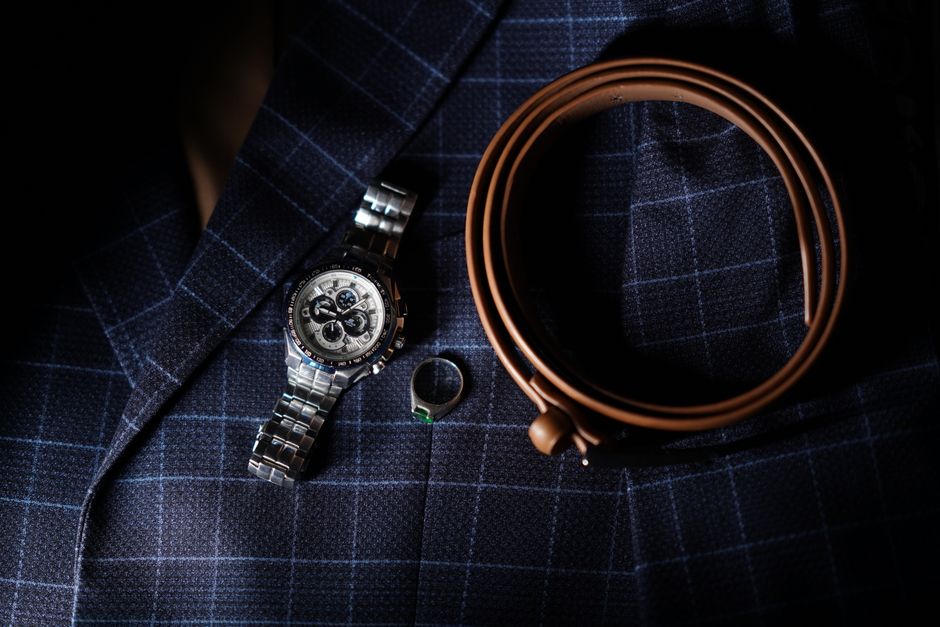
Accessories are the finishing touches that can transform an outfit from simple to standout. They offer a way to express personal style and add nuance to everyday looks. While clothing forms the base, it is often the carefully chosen accessory that brings cohesion and character. Understanding how to select and combine these pieces requires a blend of observation and practical knowledge.
This article explores various essential accessories and the principles behind their effective use. It provides a guide to considering proportions, color harmony, and occasion, all without prescribing rigid rules. The focus is on developing a discerning eye and making informed choices that align with individual preferences and lifestyle needs.
The Role of Accessories in an Outfit
Accessories serve multiple functions beyond mere decoration. They can define the silhouette, draw attention to certain features, and tie together different elements of an ensemble. For instance, a belt can cinch the waist and create a flattering hourglass shape, while a long necklace can visually elongate the torso. These tools enable wearers to play with visual balance and add layers of interest.
Moreover, accessories provide a low-commitment avenue for experimentation. Swapping a structured handbag for a slouchy one, or changing a pair of earrings, can shift the mood of an outfit without requiring an entire new wardrobe. This flexibility is especially valuable for those who prefer versatile clothing and wish to maximize their existing pieces.
From a practical standpoint, accessories also fulfill utilitarian roles. Bags carry daily essentials, scarves offer warmth or sun protection, and watches keep time. Integrating function with fashion means that these items are not just adornments but integral parts of daily life, and their selection should consider durability and comfort alongside aesthetics.
Belts: Defining Silhouettes and Adding Structure
Belts are often underestimated but can dramatically influence the perception of an outfit. A well-chosen belt can accentuate the waist, add structure to oversized garments, and introduce a contrasting color or texture. The placement of the belt matters: a high-waisted belt can create a longer leg line, while a low-slung belt may have a more casual, relaxed effect.
Material and buckle design also contribute to the overall impact. A thin, delicate belt conveys a refined and minimal aesthetic, whereas a wide, statement belt makes a bolder statement. Leather is a classic choice that ages well and pairs with many looks, while fabric belts can inject a playful element.
When incorporating a belt, one must consider the outfit’s existing proportions. For example, a belt worn over a blazer can tailor the garment to the body, providing a crisp, professional appearance. In contrast, a belt on a flowy dress can define the waist without compromising the fabric’s movement. The key is to align the belt’s style with the intended impression of the outfit.
Scarves: Versatility and Visual Interest
Scarves are among the most versatile accessories, offering endless possibilities in styling. They can be worn around the neck, head, waist, or even tied to a handbag, serving as a piece of color and dimension. Depending on the fabric and pattern, a scarf can add a touch of sophistication or a sense of ease.
Silk scarves, for instance, are elegant and can be draped loosely for a chic, Parisian vibe. Wool or cashmere scarves provide warmth and are excellent for layering during colder months, while cotton scarves are breathable and suitable for transitional seasons. The print and design of a scarf can unify the colors of an outfit or introduce an accent that draws the eye.
Proper folding and tying techniques are essential to maximizing a scarf’s impact. A simple knot, a loose drape, or an intricate wrap each create a different line. Headscarves can evoke a retro or bohemian mood, while a square scarf folded into a band can offer a fresh take on a classic look.
When selecting a scarf, one should consider its scale relative to body size. A petite person might feel overwhelmed by a voluminous pashmina, whereas a tall individual could carry it well. The scarf’s thickness also influences how it integrates with the rest of the outfit, ensuring that it complements rather than competes with other elements.
Jewelry: Personal Expression and Finishing Details
Jewelry provides a direct means of personal expression, often holding sentimental value or reflecting cultural heritage. Earrings, necklaces, bracelets, and rings can be mixed and matched to create a personalized narrative. The choice of metals, gemstones, and designs speaks to individual taste and can subtly convey a message about the wearer’s personality.
When combining jewelry pieces, balance is crucial. A bold statement necklace generally pairs well with minimal earrings to avoid visual clutter. Conversely, intricate earrings can be complemented by a delicate pendant. The idea is to allow one focal point to emerge, drawing attention without overwhelming the face or neckline.
Layering necklaces of varying lengths is a technique that adds depth and can enhance the neckline of a top or dress. The same principle applies to stacking rings or bracelets, where mixing textures and metals can create a curated look. However, attention should be paid to the overall weight and movement to ensure comfort throughout the day.
Metals can be mixed intentionally, such as pairing gold and silver, to achieve a contemporary feel. The choice of jewelry should also consider the occasion: a professional setting might call for more understated pieces, while a social event could allow for more flamboyant designs. Aligning jewelry with the context ensures that it enhances without distracting.
Bags: Balance and Utility
Bags are essential for carrying belongings, but they also contribute to an outfit’s balance. The size and shape of a bag should correlate with the wearer’s body proportions and the formality of the occasion. A large tote can feel casual and practical, while a structured satchel adds polish to a professional ensemble.
Color coordination plays a role in how a bag integrates with an outfit. Neutral hues such as black, brown, or beige offer versatility, while a vibrant bag can serve as the focal point of an otherwise neutral look. The texture of the bag, whether smooth leather, quilted fabric, or woven straw, adds another layer of complexity.
Carrying manner also matters: a crossbody bag promotes hands-free convenience and a casual demeanor; a top-handle bag suggests a more formal approach, and a clutch is ideal for events where minimal items are needed. Considering the weight and ergonomics ensures that the bag remains comfortable and functional.
Ultimately, a well-chosen bag bridges the gap between practicality and style, making it a central consideration in outfit planning.
Hats and Eyewear: Framing the Face and Adding Character
Hats and eyewear are distinct accessories that directly frame the face and influence perception. A hat can shield from sun, provide warmth, or simply add a stylish touch. The shape of the hat should correspond to the face shape: for example, a wide-brimmed hat suits many face shapes, while a fedora can add a refined edge.
Eyewear, whether prescription glasses or sunglasses, serves a functional purpose while acting as a prominent style element. The frame style should mirror the wearer’s features—round frames soften angular faces, while rectangular frames add structure to round ones. The color and material of the frames can harmonize with skin tone and wardrobe.
These accessories can define the overall vibe of an outfit: a classic pair of aviators exudes a timeless coolness, while a colorful eyeglass frame can inject a playful touch. They also offer seasonal adaptability, with straw hats in summer and wool fedoras in autumn, demonstrating the cyclical nature of accessory styling.
When incorporating hats and eyewear, one should consider the head size and hair style to ensure a comfortable and flattering fit. With proper selection, these pieces become signature elements that contribute to a distinctive personal brand.
Conclusion: Combining Accessories with Confidence
Ultimately, the art of accessorizing lies in the thoughtful combination of pieces that reflect both the wearer’s personality and the outfit’s intention. There is no universal formula, but rather a series of considerations regarding proportion, color, material, and occasion. By understanding these factors, one can make choices that feel authentic and cohesive.
Experimentation and observation are key to developing a personal sense of style. Studying how accessories interact with different garments, and how they feel in daily settings, builds intuition. Accessories should be viewed as tools for enhancement rather than necessities for perfection.
As with any aspect of clothing, the ultimate goal is to feel comfortable and self-assured. Whether opting for minimalism or embracing bold statements, the most successful ensembles are those that align with the individual’s lifestyle and values. Thus, accessorizing becomes a conscious practice that evolves over time, adding nuance and depth to one’s wardrobe.